Most people call a contractor first. It is a reasonable instinct. You want to build something, so you find the person who builds. But by the time construction begins on a project that started that way, the most expensive decisions have usually already been made, and made without anyone drawing them all the way out. That is almost always where the cost comes from.
An architect works before the build, while changes are still cheap. Moving a wall on a drawing takes an afternoon. Moving the same wall after it is framed, wired, and insulated takes a demolition crew, a change order, and a delay. The design phase is not a pause on the way to construction. It is the part of the project where the money has the most leverage.
What a change order really is
On a job site, a change order is the paperwork that records a decision made too late. Sometimes it cannot be helped; a wall opens up and reveals something no one could have known. Far more often it is a design question that never got asked. Where does the morning light land. How do you move from the kitchen to the table. Is the ceiling the right height for the room. Asked at the drawing table, those cost nothing. Asked once the framing stands, they cost a great deal.
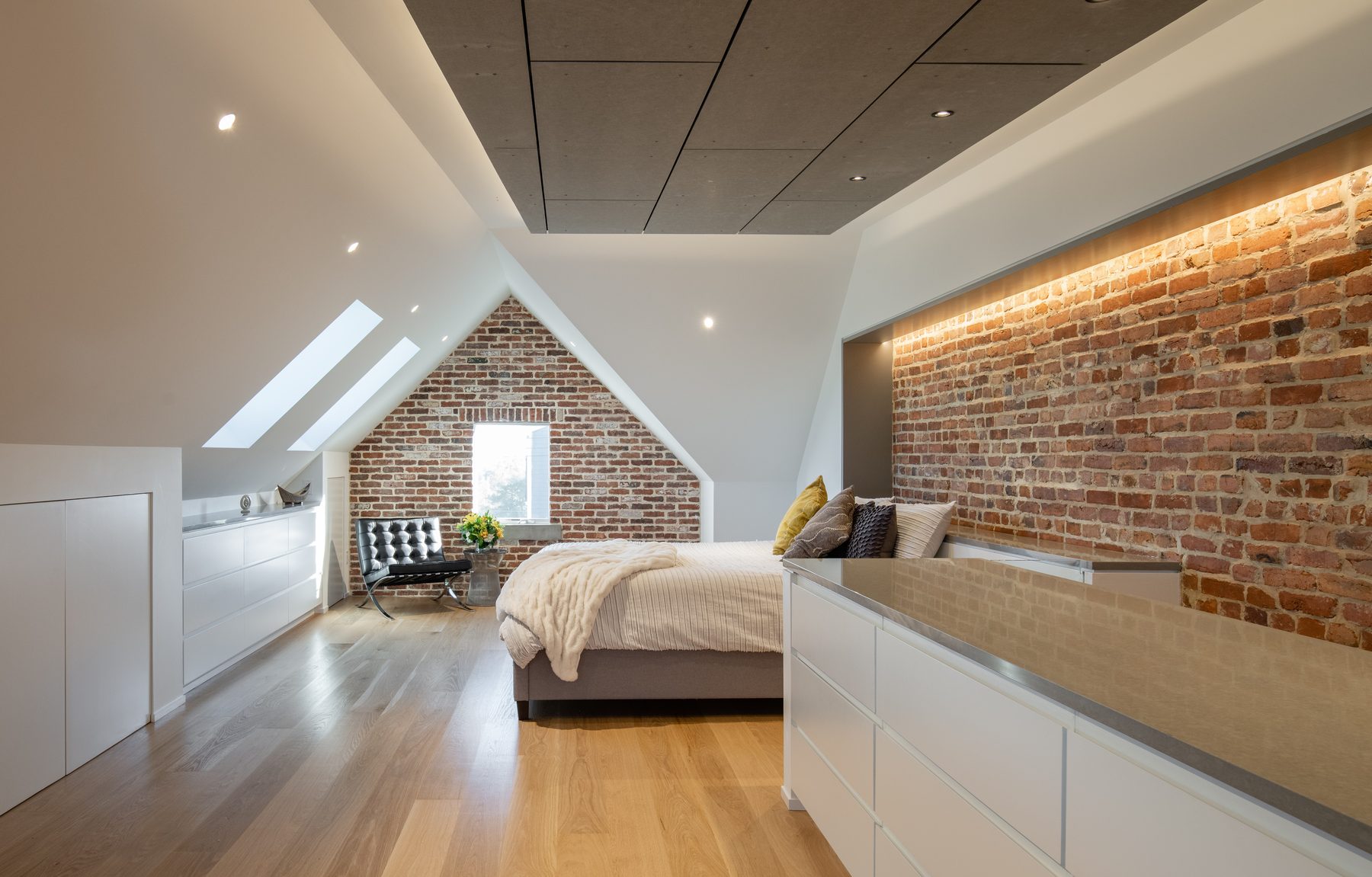
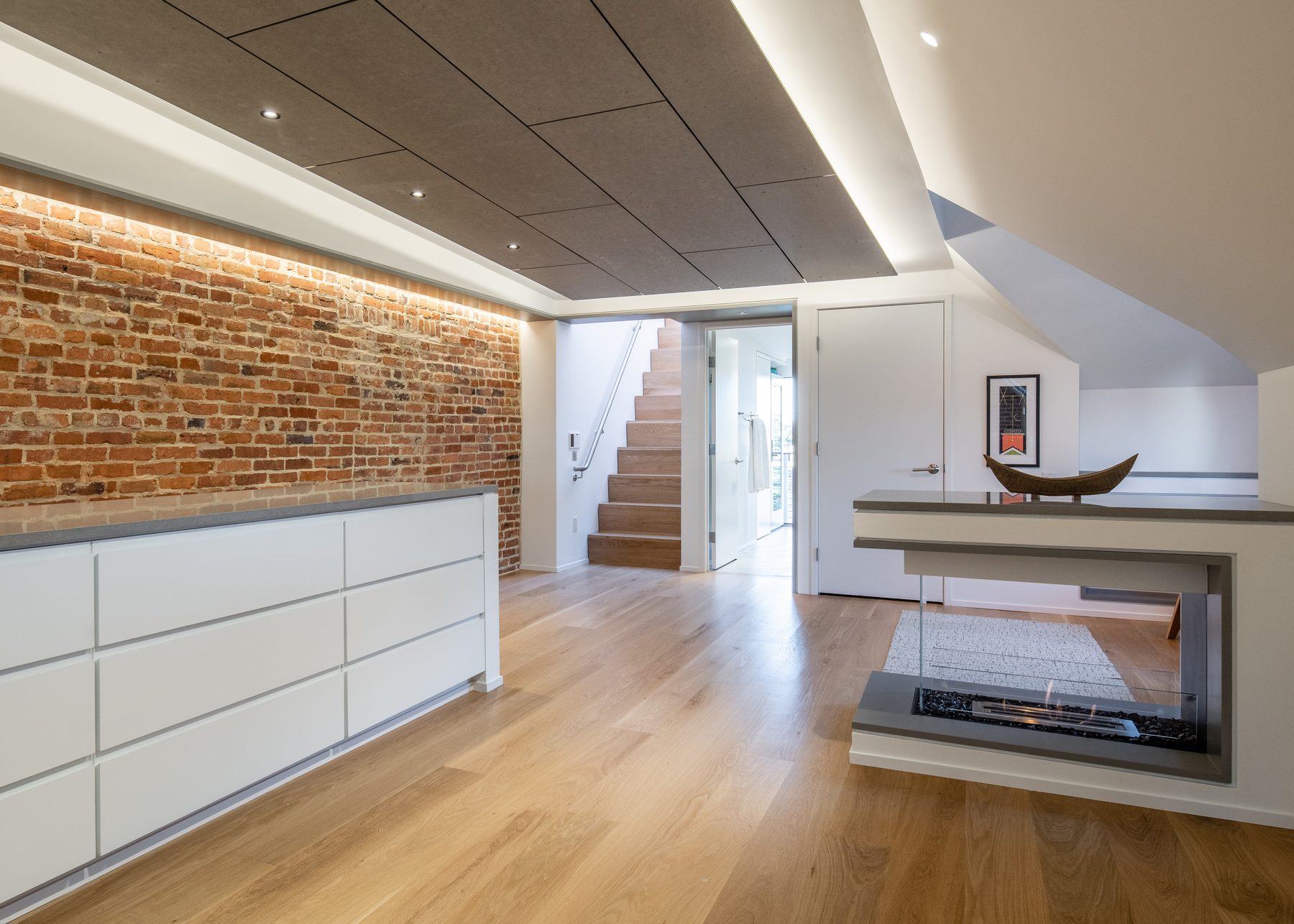
On a recent whole-house project, the owners and I spent the first weeks entirely on drawings before anyone priced the work. When three builders bid the finished set, their numbers landed within a few percent of one another. That is what a complete drawing does. It lets honest builders price the very same house.
The drawings are the agreement
When a builder prices a complete set of drawings, everyone is pricing one house, so the bids can be compared honestly. When a builder prices a vague idea and a few photographs, the bids are really a comparison of assumptions, and the gaps get filled in later, on the owner’s dime.
A good set of drawings is also protection once the build starts. It is the shared reference everyone returns to when a question arises, and on a real project one always does. The more the drawings have settled in advance, the less gets settled on the spot by whoever happens to be standing there.
A complete drawing lets honest builders price the same house.
Where the savings actually come from
Hiring the architect first reads as an added cost at the start. In practice it is usually the opposite. The design fee is spent once, early, when it shapes every decision that follows, and the savings then show up quietly across the whole build: fewer change orders, cleaner bids, less material spent on work that gets undone. The industry’s own data points the same way. Zonda’s 2025 Cost vs. Value report found that well-considered, well-built work holds its value, while rushed or mismatched choices rarely recoup what they cost.
None of this requires the full formal process from day one. Sometimes the right first step is a single conversation and one drawing, enough to see what a house wants to be before anyone commits to building it. That is the idea behind working in phases. Get the thinking right on paper, then build with confidence.
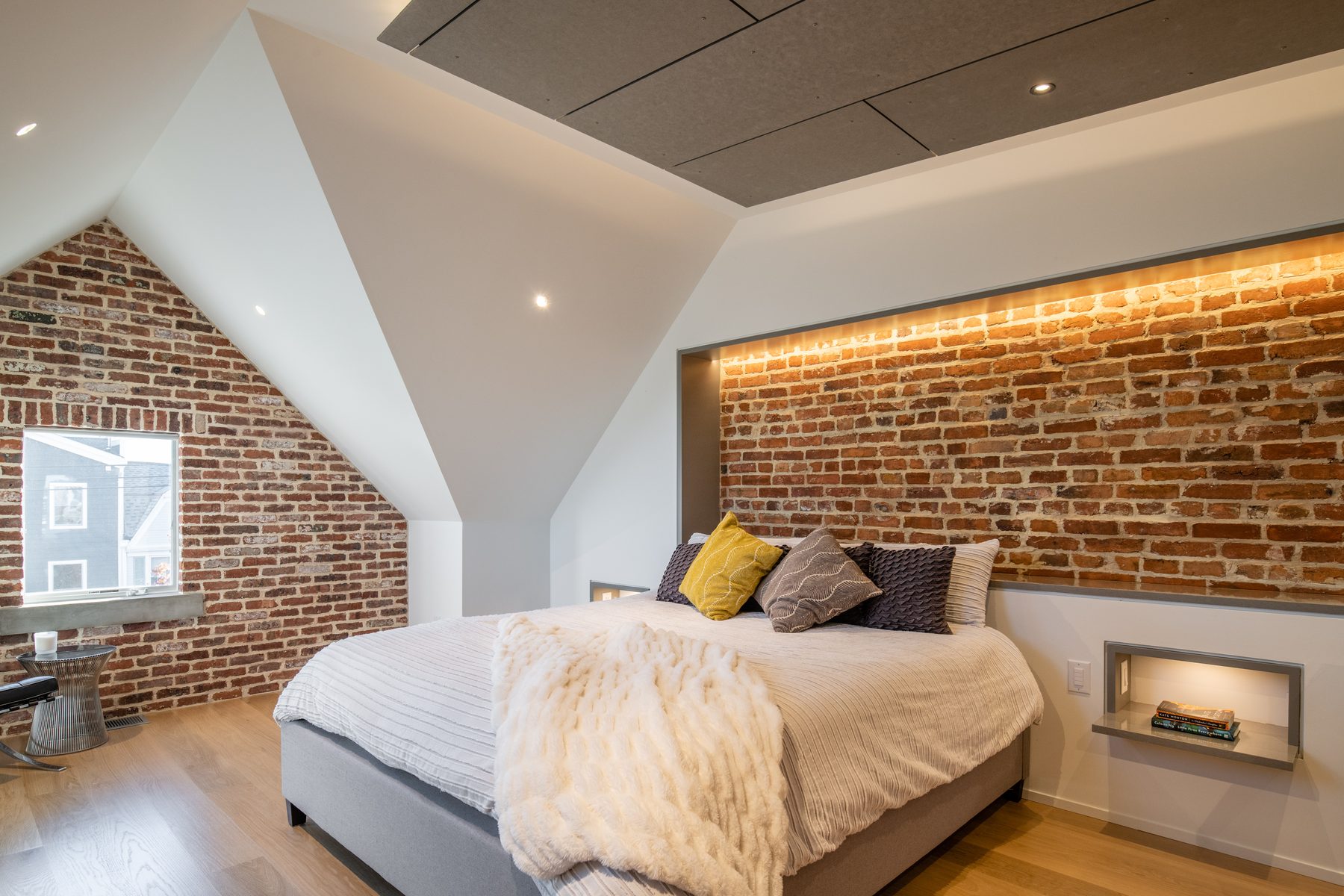
The same change is cheap on paper and expensive in the field.
The contractor is the right person to build a house. The architect is the one who makes sure the house is worth building, and that it has been drawn carefully before anyone picks up a hammer. Built in that order, the rest of the project runs a great deal calmer.