
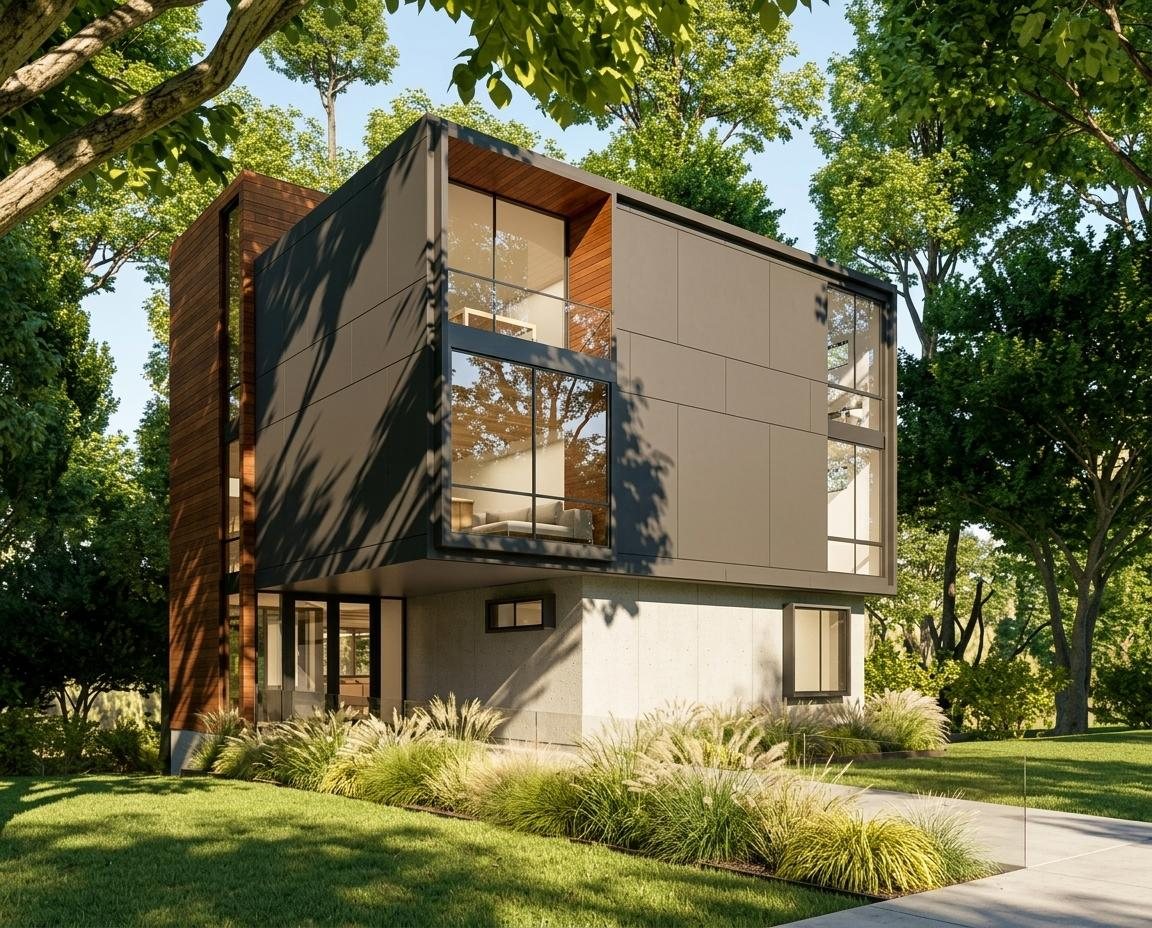
For most of architecture’s history, the client had to trust the drawing. Plans and elevations are precise, but they ask you to assemble a house in your head from flat sheets, and most people cannot, not really. The three-dimensional model changed that, and it changed it for the owner more than for the architect. For the first time, you can see and move through your house before a single wall is framed.
A drawing you can walk through
A working three-dimensional model does more than look impressive. It is an instrument for catching trouble early, when trouble is still cheap. A duct that wants to run where a beam already lives, a window that lands awkwardly from inside, a stair that pinches a hallway: the model surfaces these on screen, in the design phase, rather than on site during construction. Every conflict found in the model is a change order that never gets written.
When I first put clients inside a three-dimensional model of their own house, the conversation changes. They stop asking what a drawing means and start telling me how they want to live in the room we are standing in. The tool gets out of the way, and we get to the real work faster.
Renderings, walkthroughs, and honest expectations
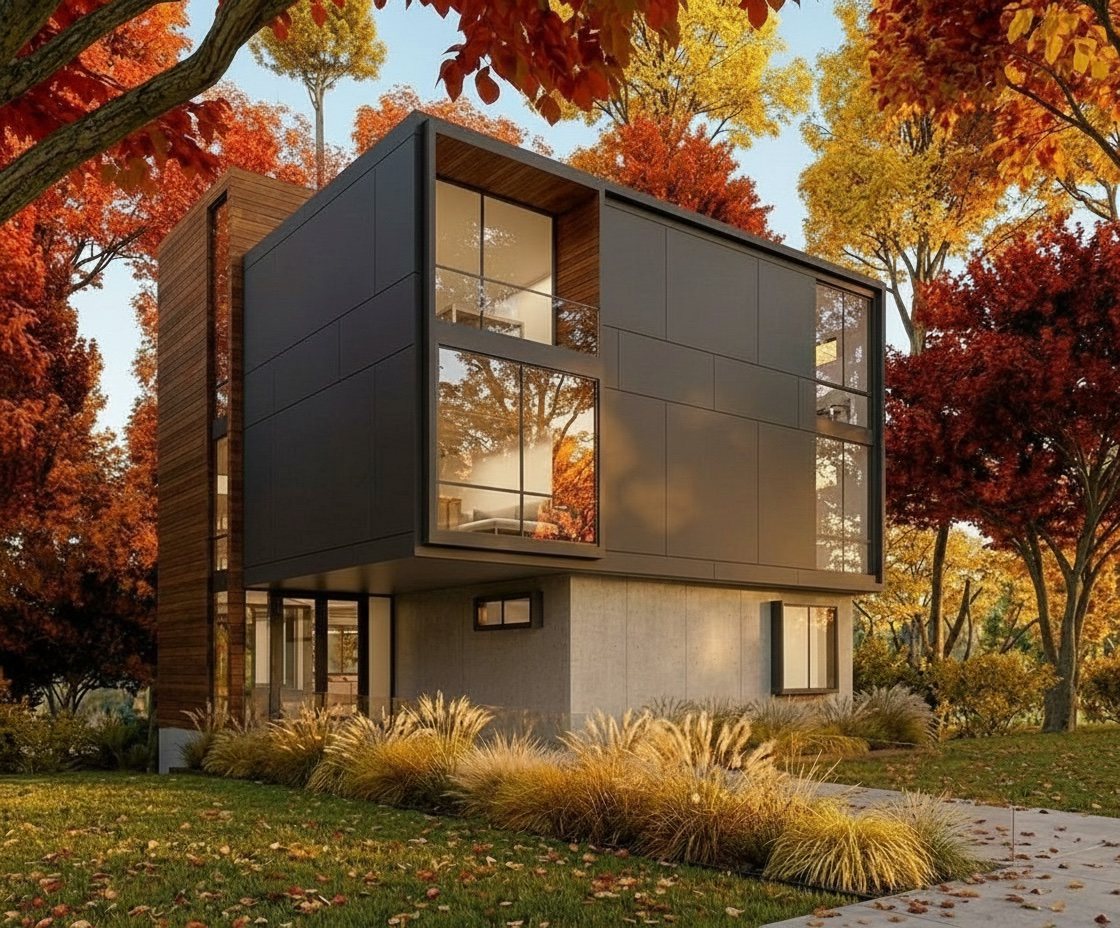
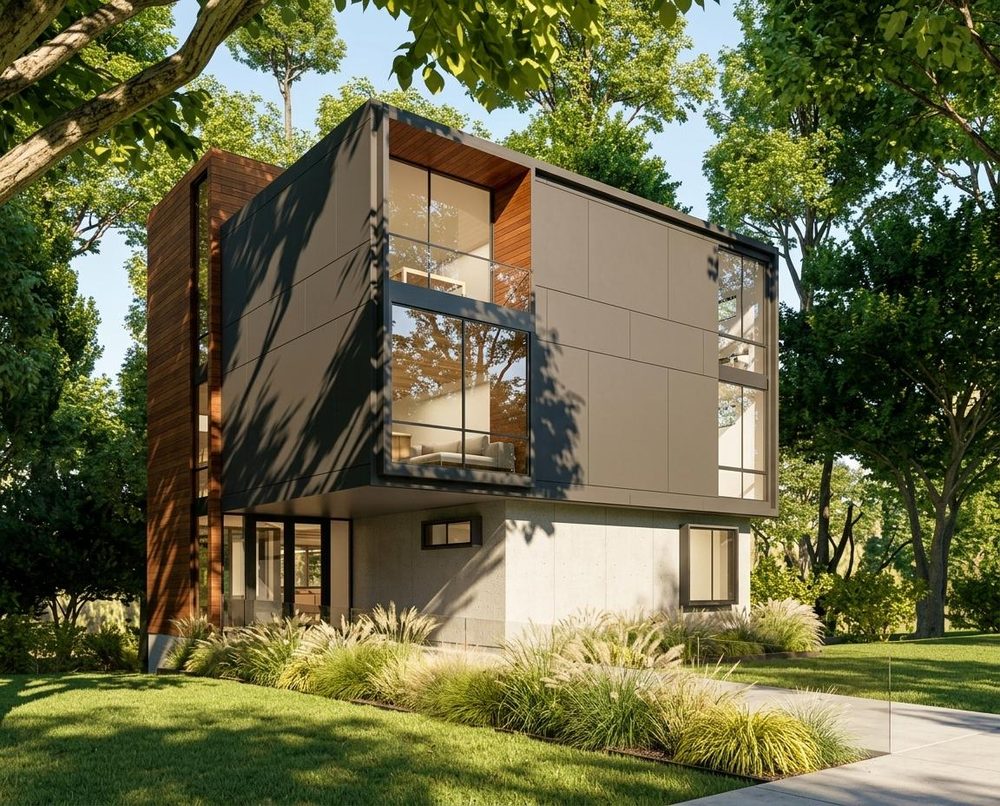
Visualization tools, from renderings to virtual walkthroughs, turn abstract decisions into ones you can feel. That is their gift and their risk. A persuasive image can promise a feeling the built room must then deliver, so the honest use of these tools is to set expectations, not to oversell. A rendering shows intent. A construction drawing still carries the truth of how the thing gets built. A good practice uses both, and never confuses one for the other.
Every conflict found in the model is a change order never written.
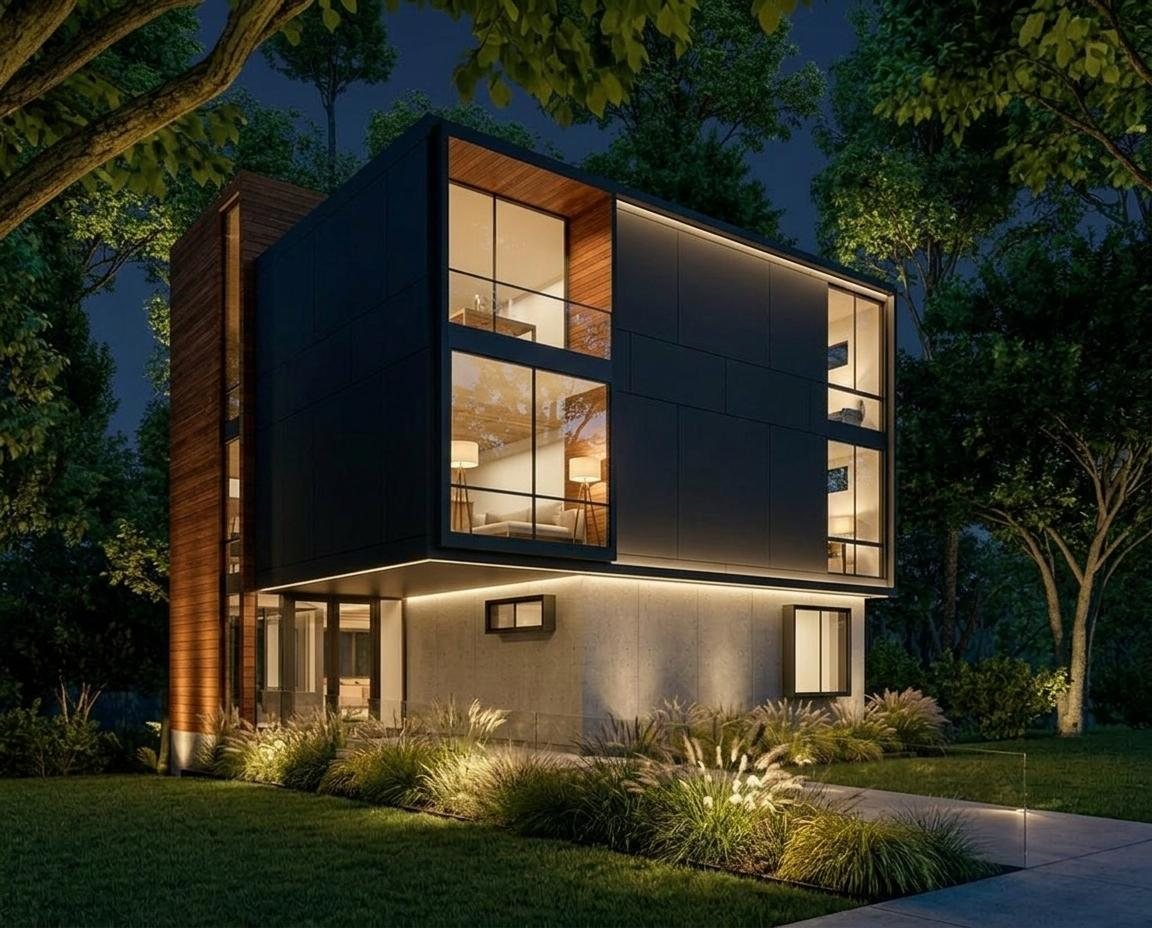
Why better tools still need judgment
I have spent much of my academic career on exactly this question, building a graduate concentration around how two, three, and four-dimensional digital tools change the way we design and experience space. The conclusion, after all of it, is steady: the tools are extraordinary, and they are means, not ends. Software can generate a thousand options and analyze each one, but it cannot decide which one is right for how a particular family lives. That judgment, taste, and responsibility stay human. The software serves the architect’s eye, never the other way around.
The right way to think about these tools is simple. They do not replace the architect. They let a careful one show you more, sooner, so the decisions you make together are made with your eyes open.