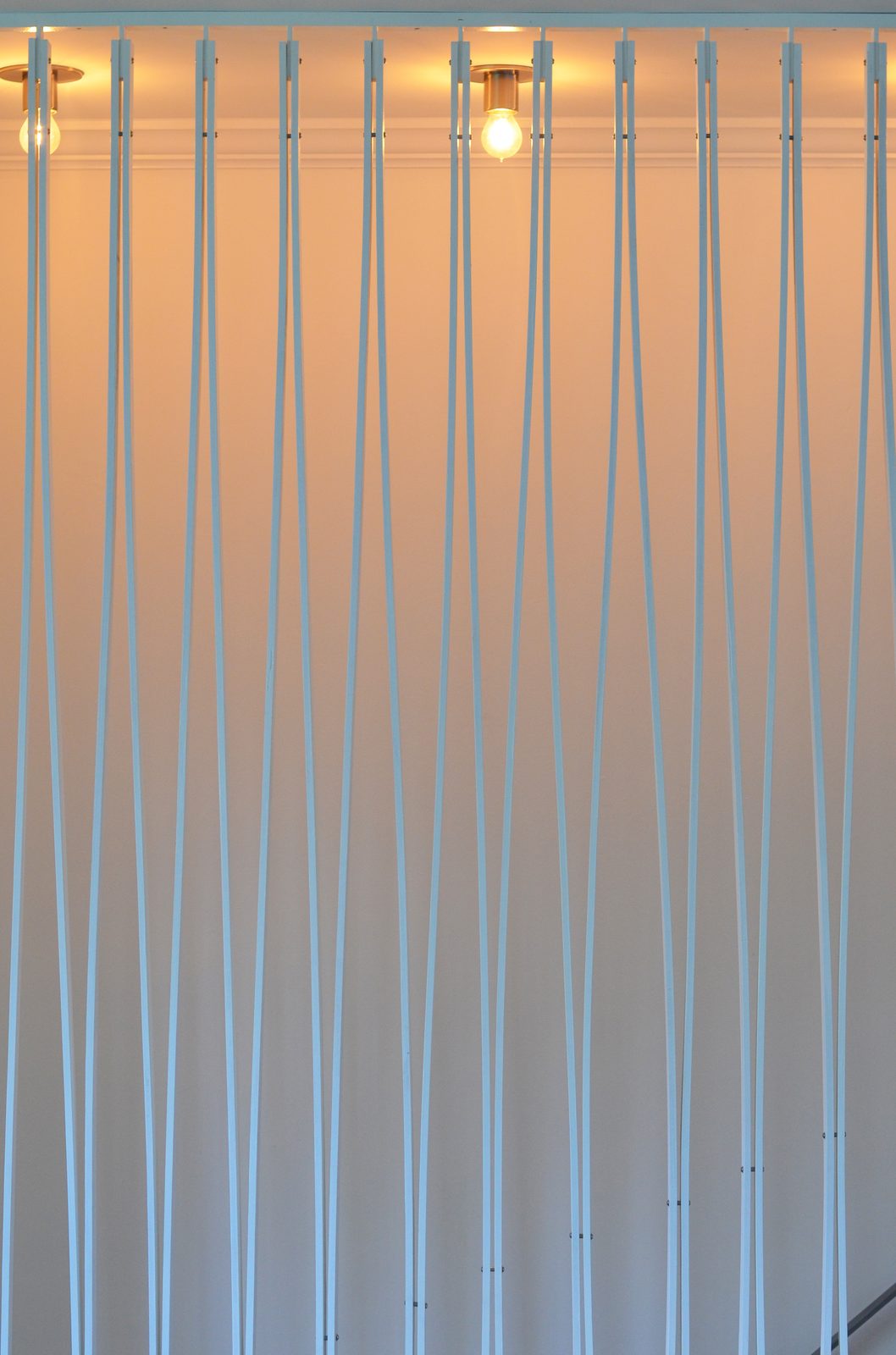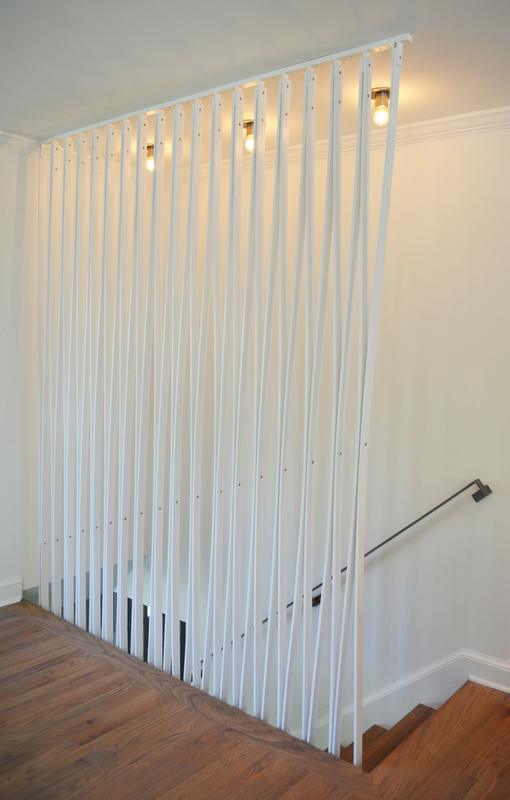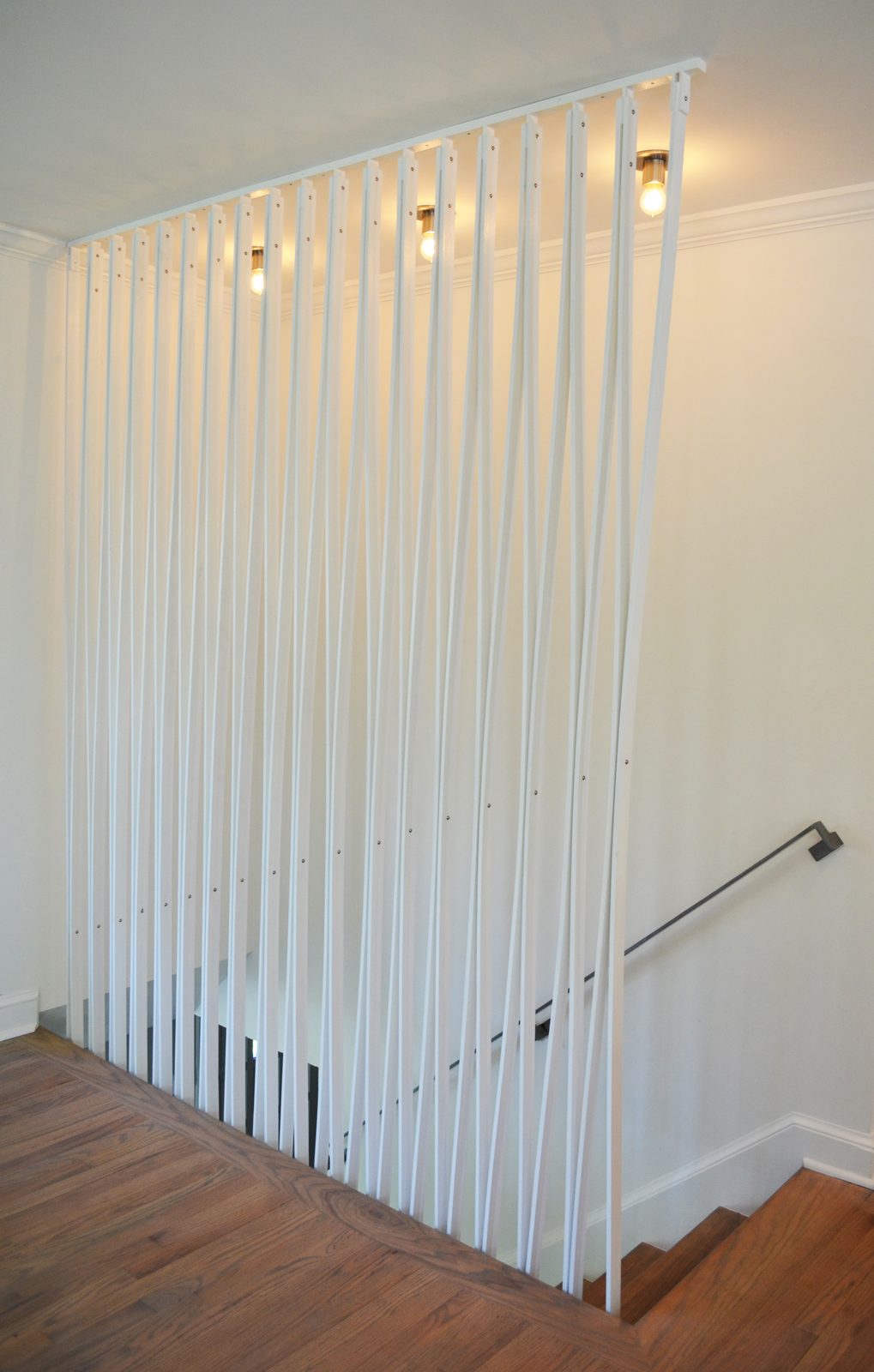
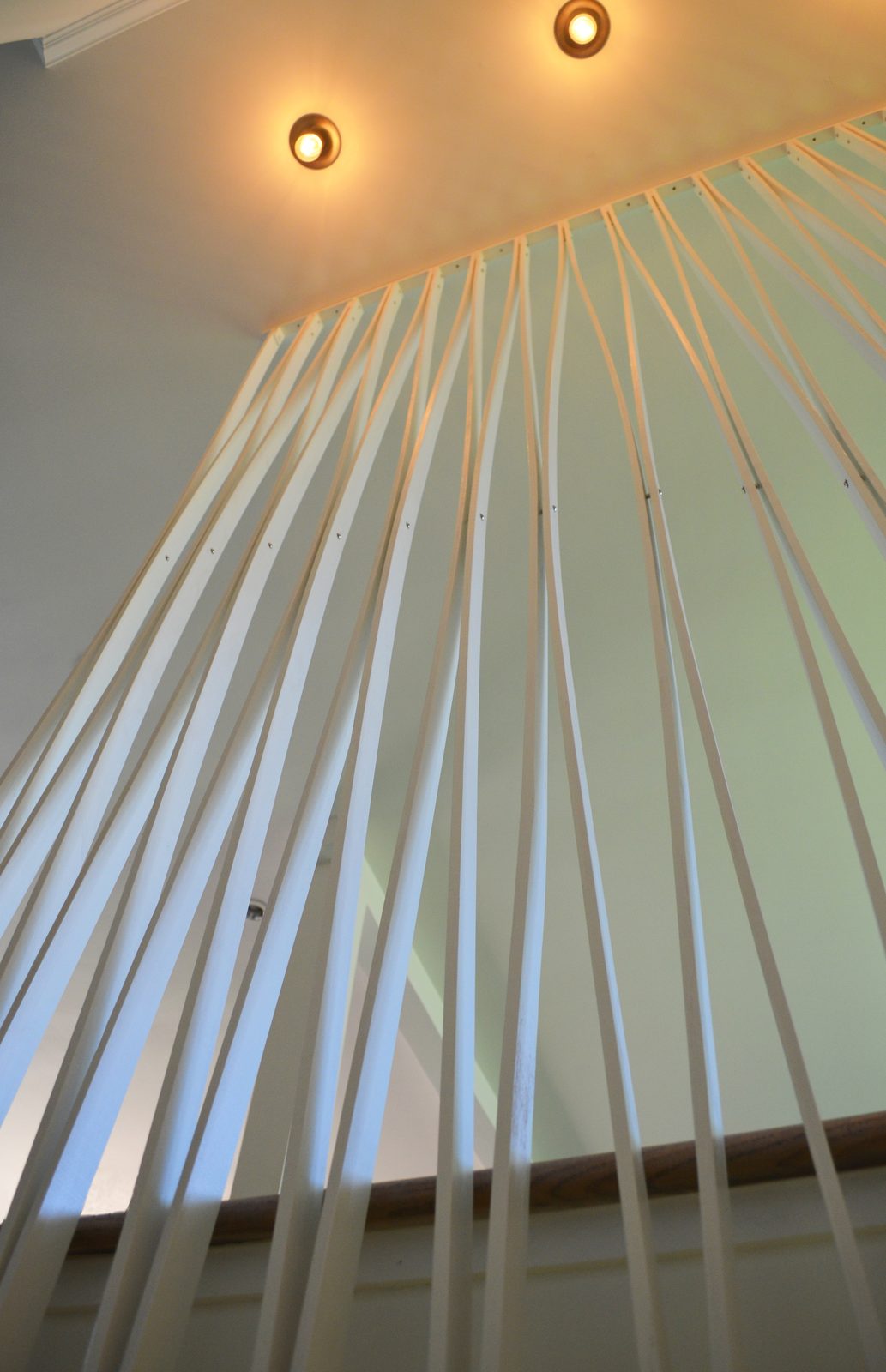
A stair is the most sculptural object in a house and the one most often treated as plumbing, something to get you from one floor to the next. But people remember a great stair the way they remember a great room. It is the thing your hand touches every day and your body negotiates without thinking, which is exactly why it rewards obsessive attention.
The numbers your legs already know
There is a reason a comfortable stair feels effortless and a bad one makes you watch your feet. The relationship between the tread, the part you step on, and the riser, the height you climb, has to fall within a narrow band the body recognizes. Builders have carried rules of thumb for centuries, and the building code now encodes them, because a stair even slightly outside that band feels wrong before you can say why. Your legs know the geometry your eyes have never studied.
Comfort lives in a narrow band: too steep and you watch your feet, too shallow and you stumble.
I have stood on a great many stairs in my career, and I can usually tell within three treads whether someone designed it or simply drew it. The body knows the difference before the eye does. A stair that was truly considered disappears under you, and that disappearance is the whole point.
The handrail your hand wants
Then there is the rail. A handrail is one of the few parts of a building designed to be gripped, and a surprising number are the wrong size, the wrong shape, or set at the wrong height for an actual hand. A rail you can wrap your fingers around, that runs continuously and returns cleanly at top and bottom, is a small kindness repeated thousands of times over the life of a house. Details like this are invisible until they are wrong.
A great stair disappears under you. That is the whole point.
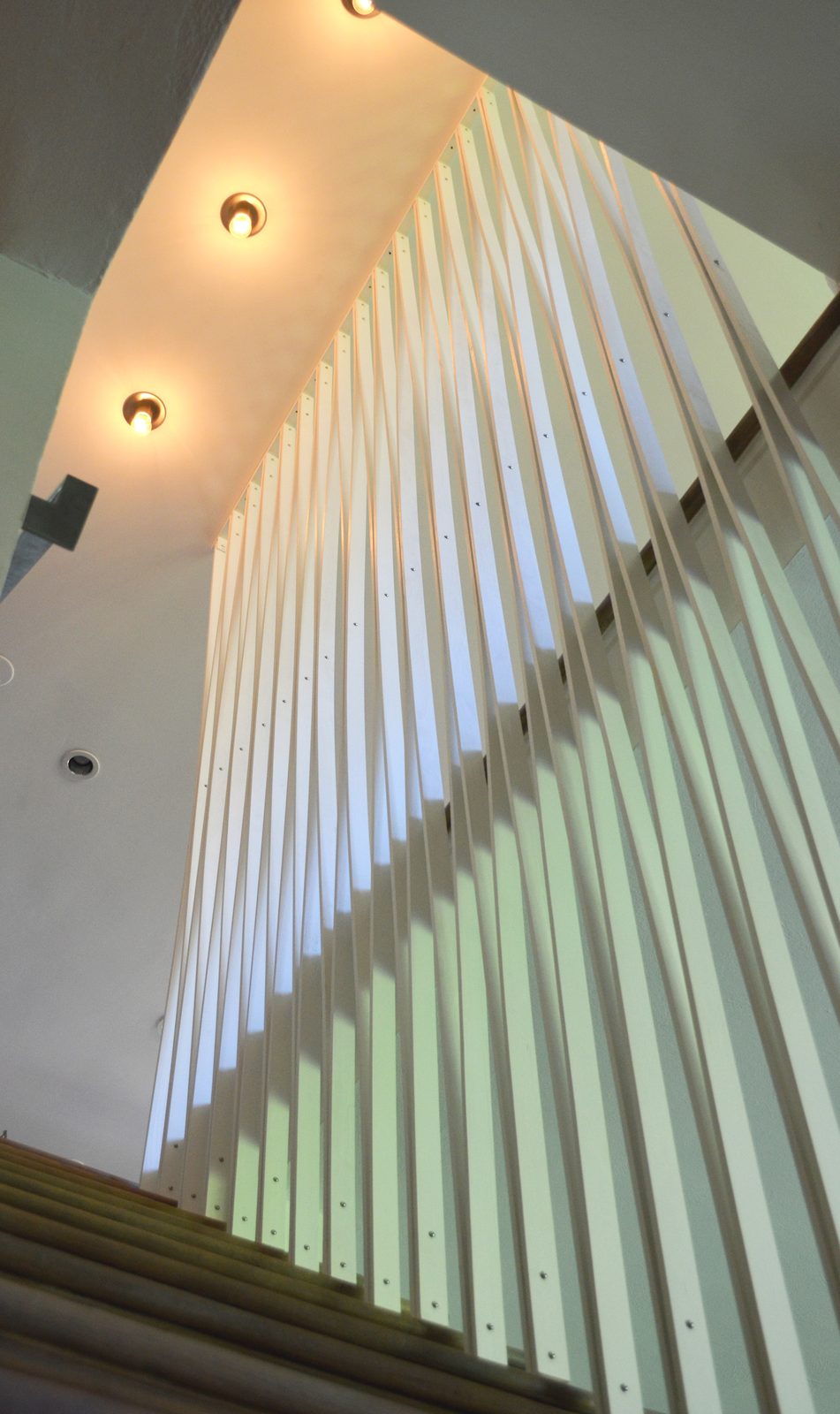
The difference you live with
None of this shows up in a listing. No one tours a house and says the tread depth is exactly right. But it is the accumulation of decisions like these, the stair, the rail, the way a base meets a floor, that separates a house that was made from one that was merely assembled. Custom work is not about expensive materials. It is about caring how things meet, in the places your body finds every day.