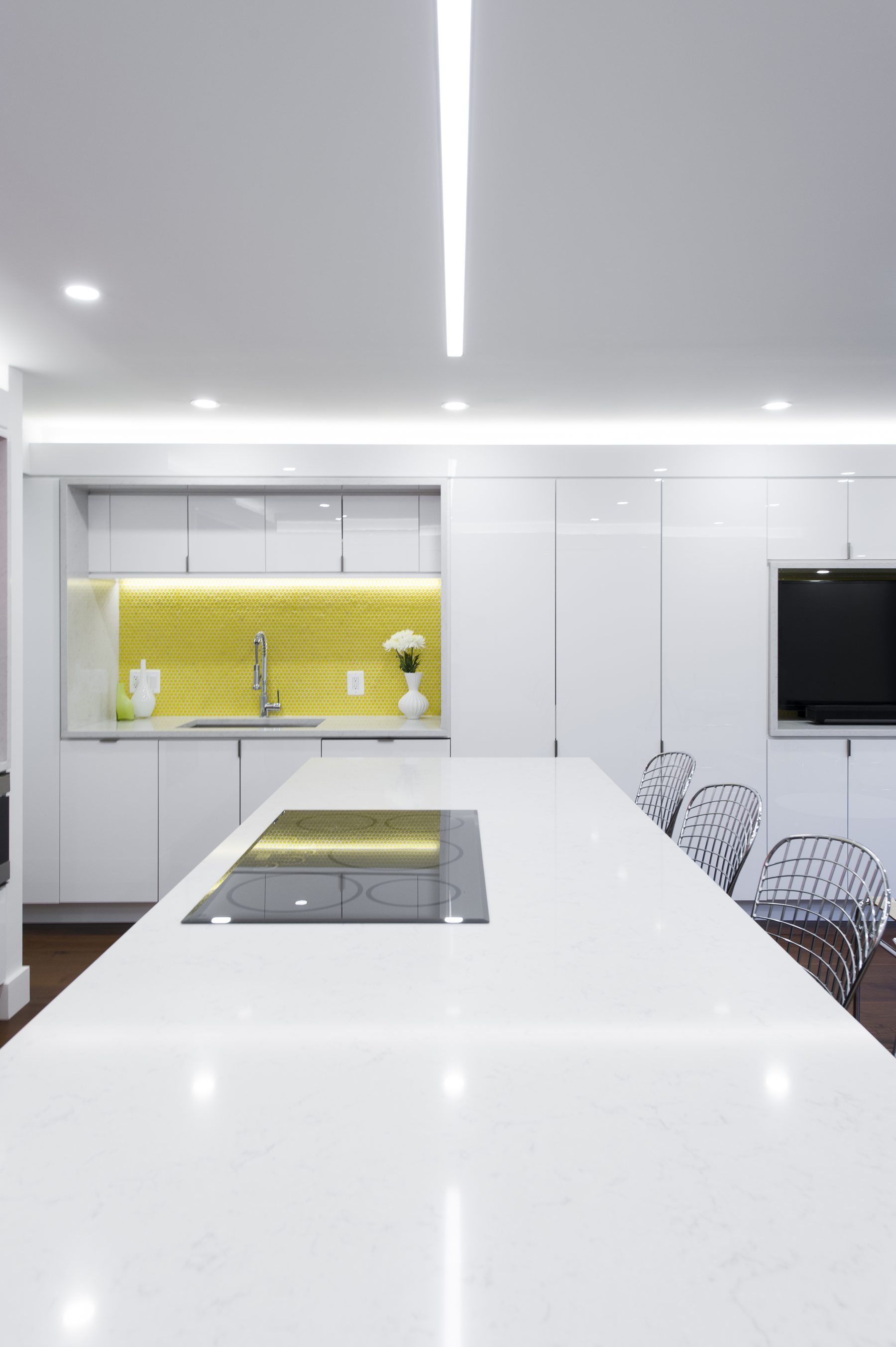
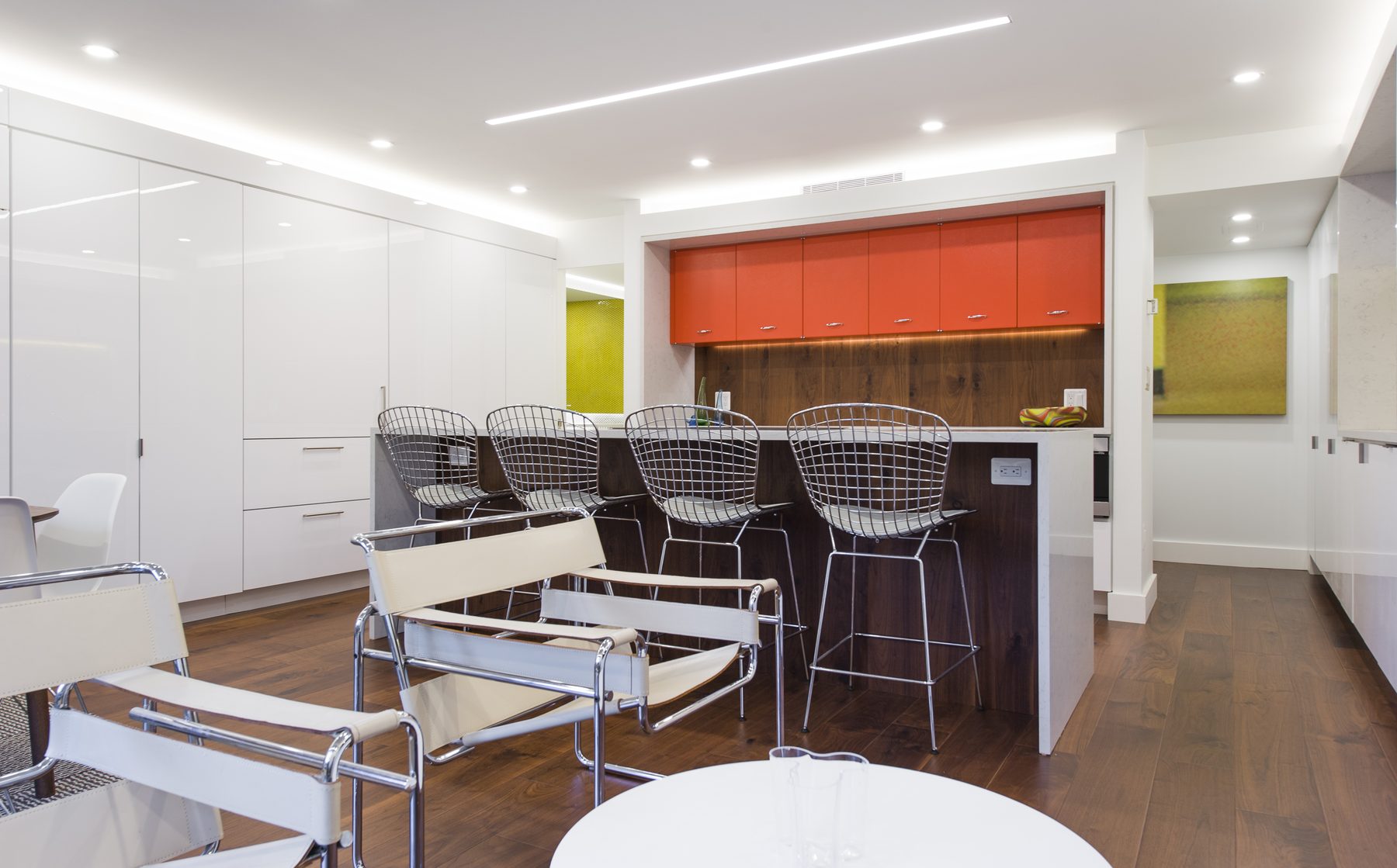
Some rooms feel right the moment you step into them, and most people cannot say why. They reach for words like cozy or grand, but the real cause is usually proportion: the quiet relationship between a room’s length, width, and height. Proportion is the part of design you feel before you notice it, and it is the closest thing architecture has to music.
The math you feel but never see
For centuries, builders have returned to a handful of ratios because rooms built to them simply feel settled. The golden section, near three to five, and the simple double square turn up again and again in rooms people love. None of this is mysticism. It is pattern recognition. The eye is reassured by relationships it can resolve, the way the ear is reassured by a chord. A room with no clear proportion feels restless, and we blame the furniture.
A room divided near the golden section: the larger part to the smaller as the whole is to the larger.
I keep a tape measure in my bag, and in houses that feel right I quietly measure the rooms. The good ones tend to share the same restful proportions. It is rarely an accident. Someone, at some point, got the ratio right, and the room has been thanking them ever since.
The ceiling you never think about
Height is proportion’s quiet partner. A soaring ceiling can feel generous or it can feel cold and unmoored; a low one can feel oppressive or it can feel safe and intimate. The difference is whether the height suits what the room is for. Christopher Alexander argued that the best houses vary their ceiling heights room to room, lower where you gather close, higher where you want to breathe. A house on one ceiling height is a house that has stopped paying attention.
Proportion is the part of design you feel before you notice it.
Proportion needs light to be seen
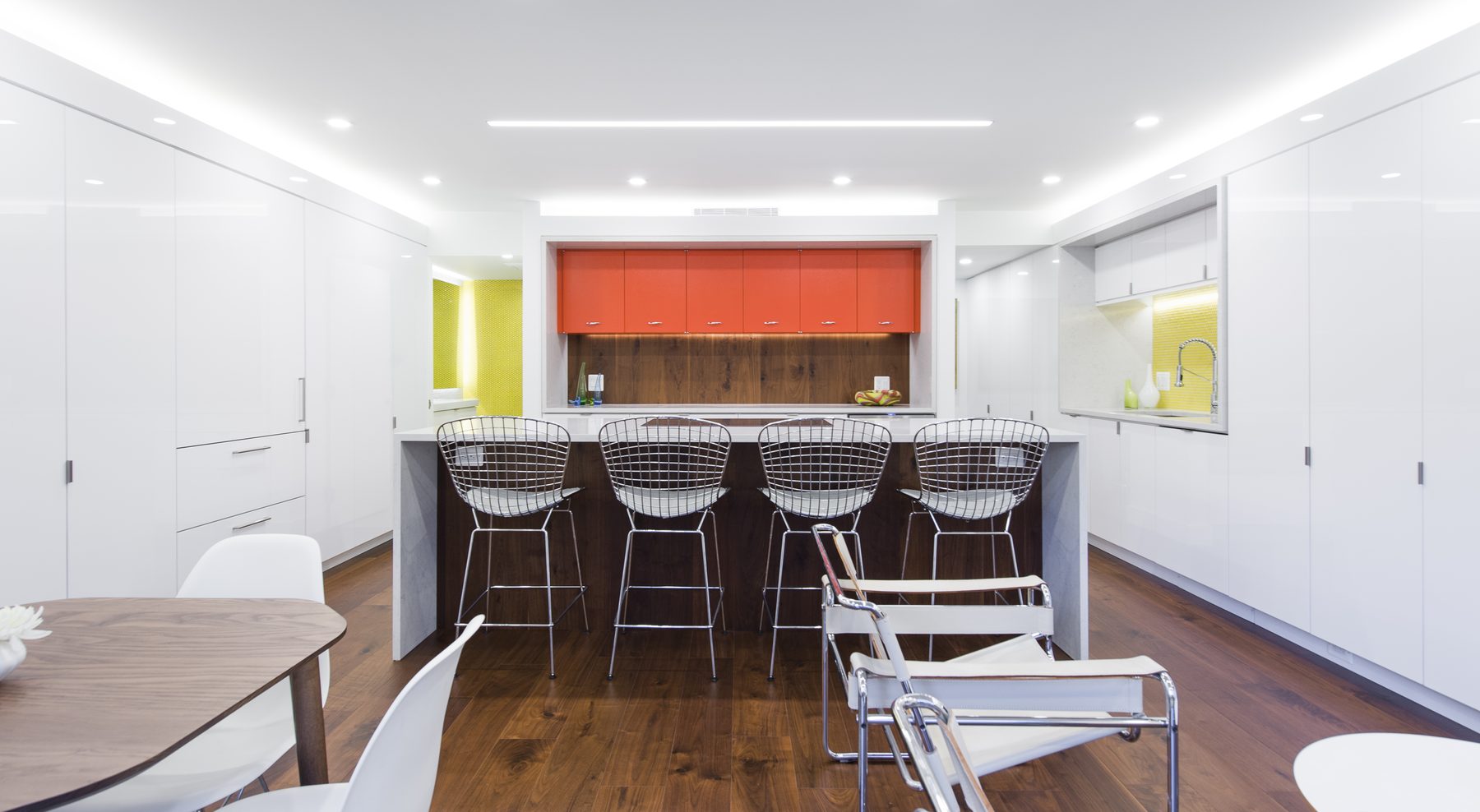
A well-proportioned room only reveals itself when light grazes its surfaces and gives the dimensions something to play against. This is why architects talk about proportion and daylight in the same breath. Get the ratios right and let the light describe them, and you have done most of the work of a room that people will not want to leave, without spending a dollar on anything they can name.