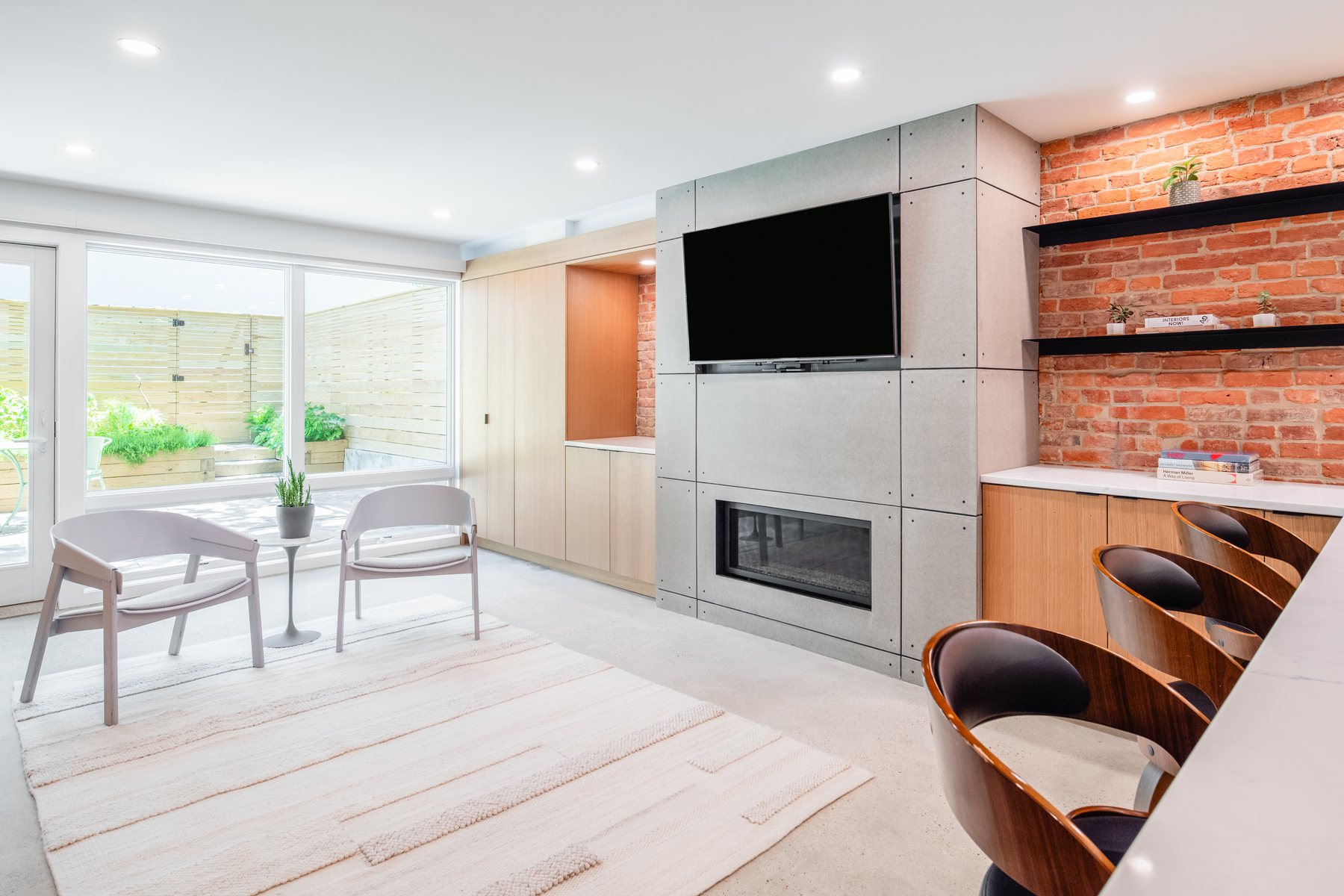
Most DC homeowners assume the zoning code is a wall of no. Often it is more generous than they expect, once someone reads it for them. A great many of the city’s rowhouse neighborhoods sit in what the code calls a Residential Flat zone, RF for short, and those zones quietly allow more than people realize. Knowing which zone you are in is the difference between assuming a project is impossible and discovering it is a matter of right.
Two homes on one lot, by right
Here is what surprises people most. In the RF zones that cover most DC rowhouse blocks, the code permits two principal dwelling units on a single lot, commonly called a two-unit flat, and it does not require the owner to live on site. That is a different and more flexible framework than the accessory-apartment rules that govern many detached-house zones. For an owner thinking about an income unit, an in-law suite, or a future plan, that distinction changes everything.
Most of my DC clients are surprised to learn their rowhouse already sits in a zone that allows a second full unit. We have not asked anyone for special permission yet. We have simply read the rules that were there all along, and found more room in them than they expected.
What the envelope allows
Two numbers shape most projects. Lot occupancy, often around sixty percent for a row dwelling, governs how much of the lot the building can cover, and height, generally in the range of forty feet and three stories, governs how tall it can grow. The city tightened the rowhouse rules a decade ago to rein in out-of-scale pop-ups, and there are added tests for rear additions where they meet a neighbor’s wall. None of this is a wall of no. It is simply the envelope, and good design lives comfortably inside it.
The rules are often more generous than people assume.
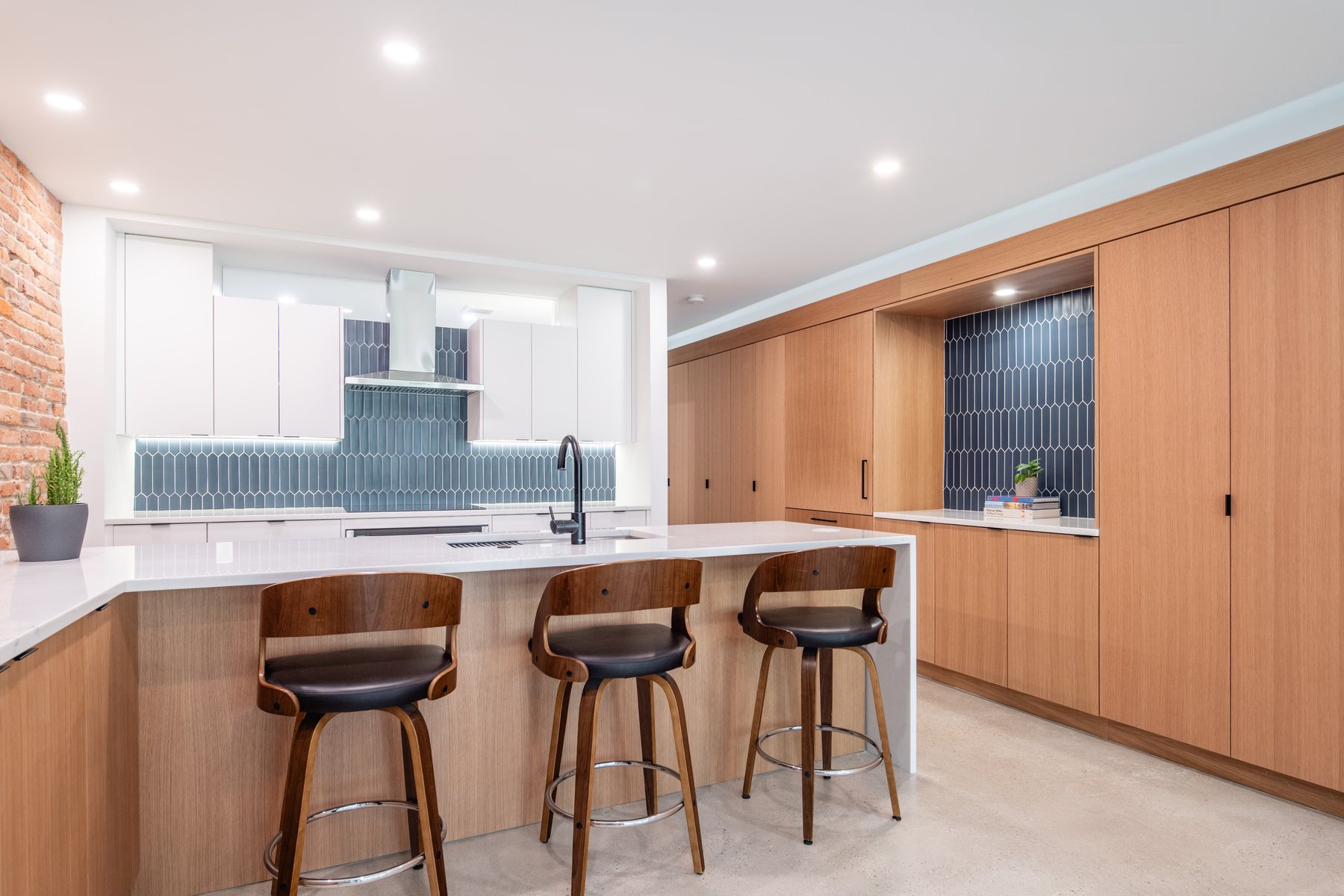
Start the slow things early
The zoning is only half the picture. The schedule is the other half. A second unit usually means a separate electric meter from Pepco and, sometimes, a water sub-meter, and those approvals run on their own clock, independent of the building permit. The mistake is to treat them as paperwork for later. The move is to start them in parallel, on day one, so the utility timeline does not become the thing that holds up an otherwise finished project.
The rules change, and the specifics depend on your exact lot, so treat this as orientation rather than a ruling. But the headline holds: in much of DC, your house can do more than you think.