There is a particular anxiety that comes with owning a house by a named architect. People either freeze, treating it as a museum and living badly in it, or they renovate as though it were any other house and quietly destroy the thing they paid for. Neither is necessary, but avoiding both takes a step most renovations skip.
A good house is an argument
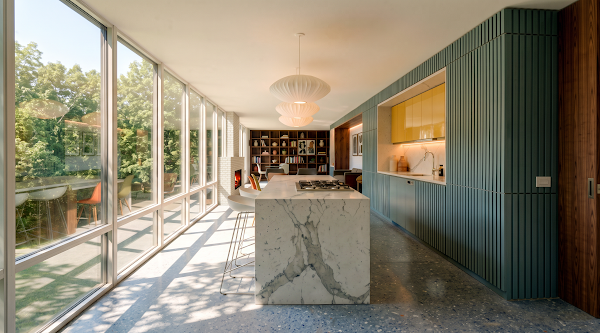
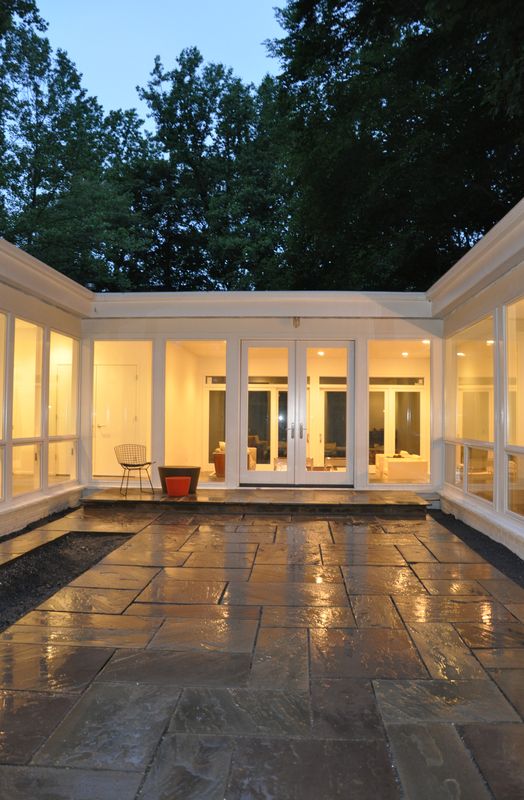
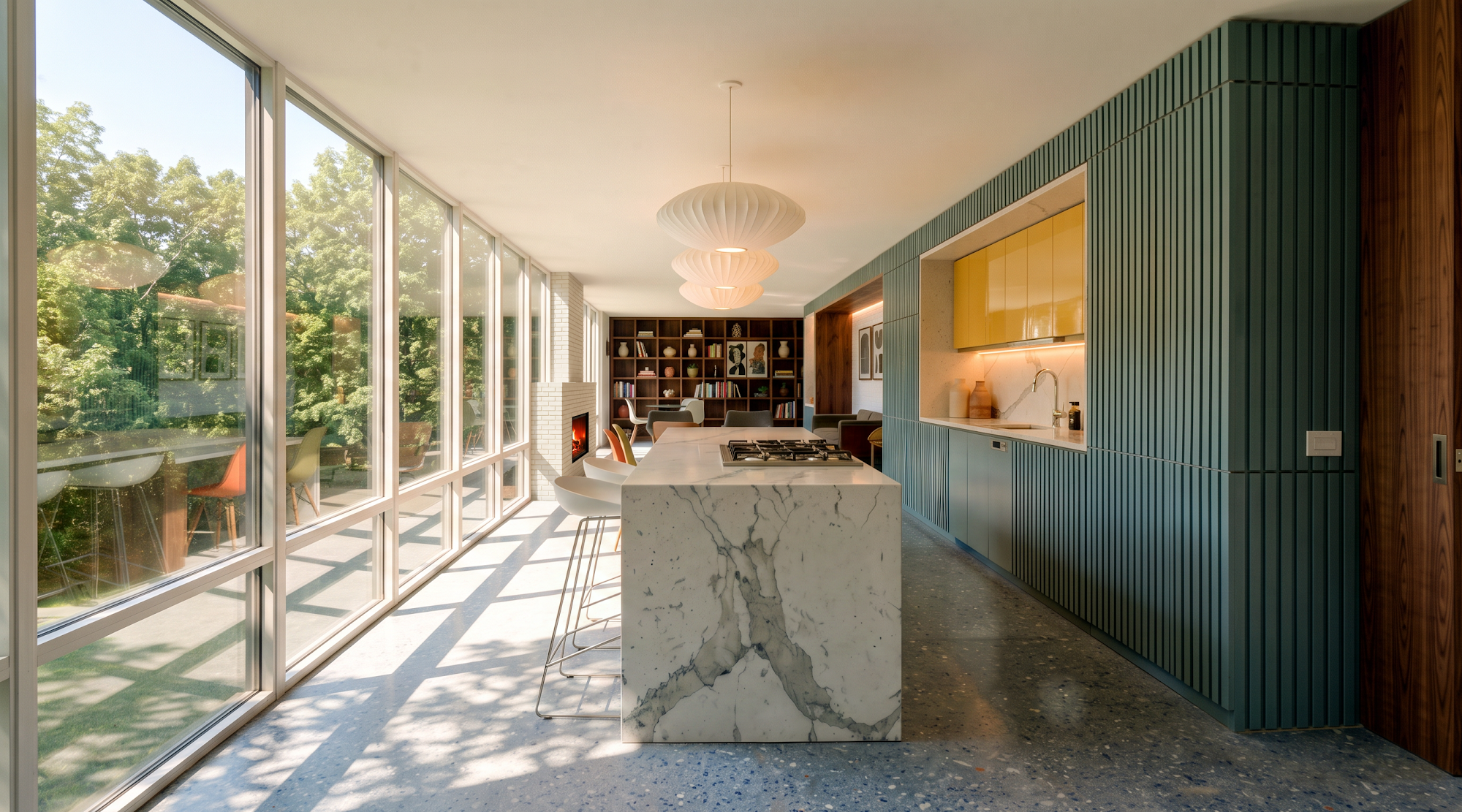
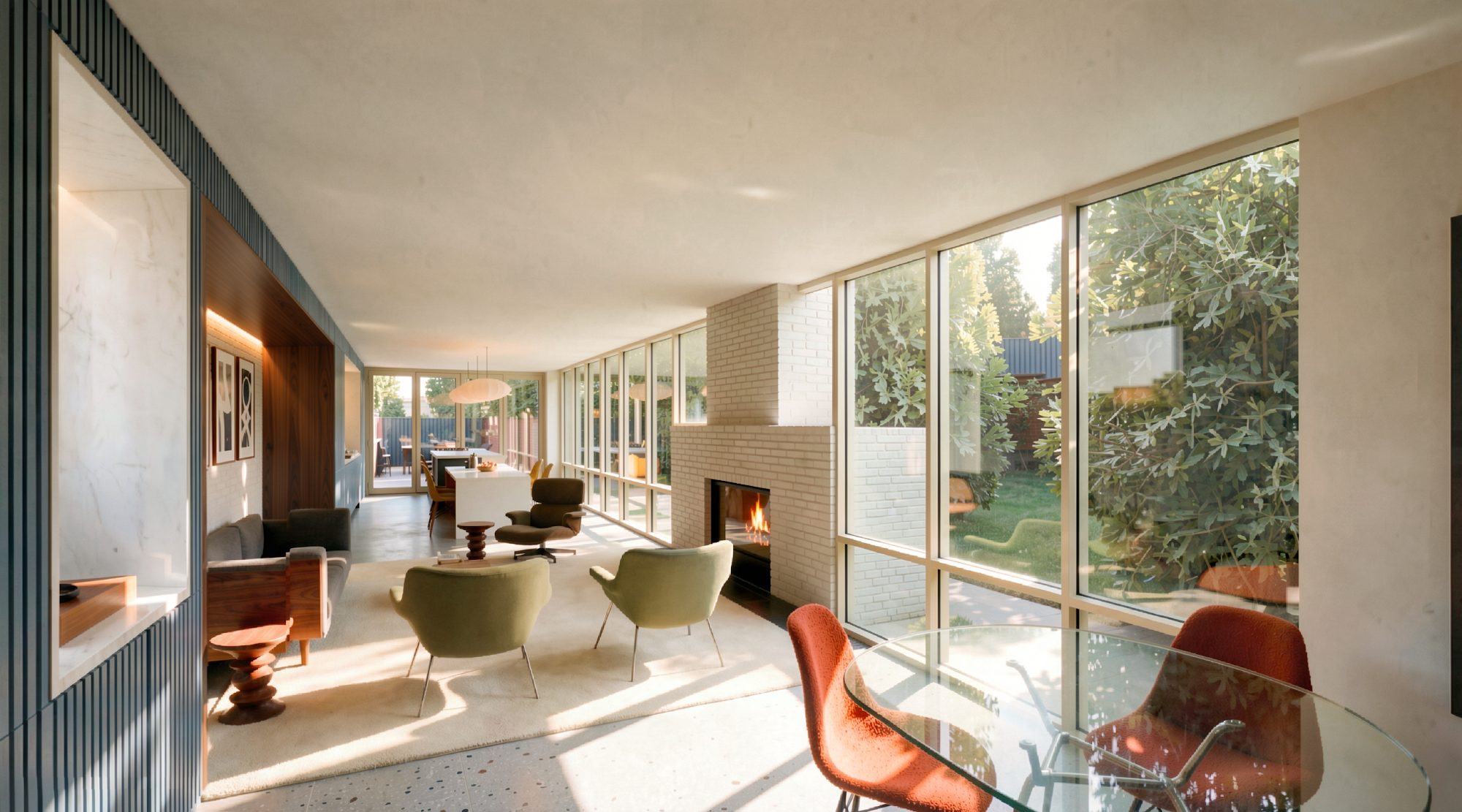
Serious houses are not collections of preferences. They are arguments, usually about one or two things, made consistently. In the Hollin Hills houses the argument is about dissolving the wall between inside and out: window walls with minimal trim, open plans, rooms that take their light and their sense of size from the landscape rather than from square footage.
Once you can state the argument in a sentence, you have a test for every subsequent decision. Does this make the argument stronger, or does it interrupt it.
Once you can state the argument in a sentence, you have a test for every decision that follows.
Preservation is not paralysis
These are houses people live in now, and the way people live has changed. The original plans rarely included a primary suite with its own bath. Insulation and glazing standards have moved on entirely. Refusing to touch anything is not stewardship; it usually means the house is gradually abandoned room by room.
The opposite failure is more common and more damaging. Standard renovation instincts, a bigger primary, a formal entry, more enclosed rooms, are precisely the instincts the original design was written against.
One core doing two jobs
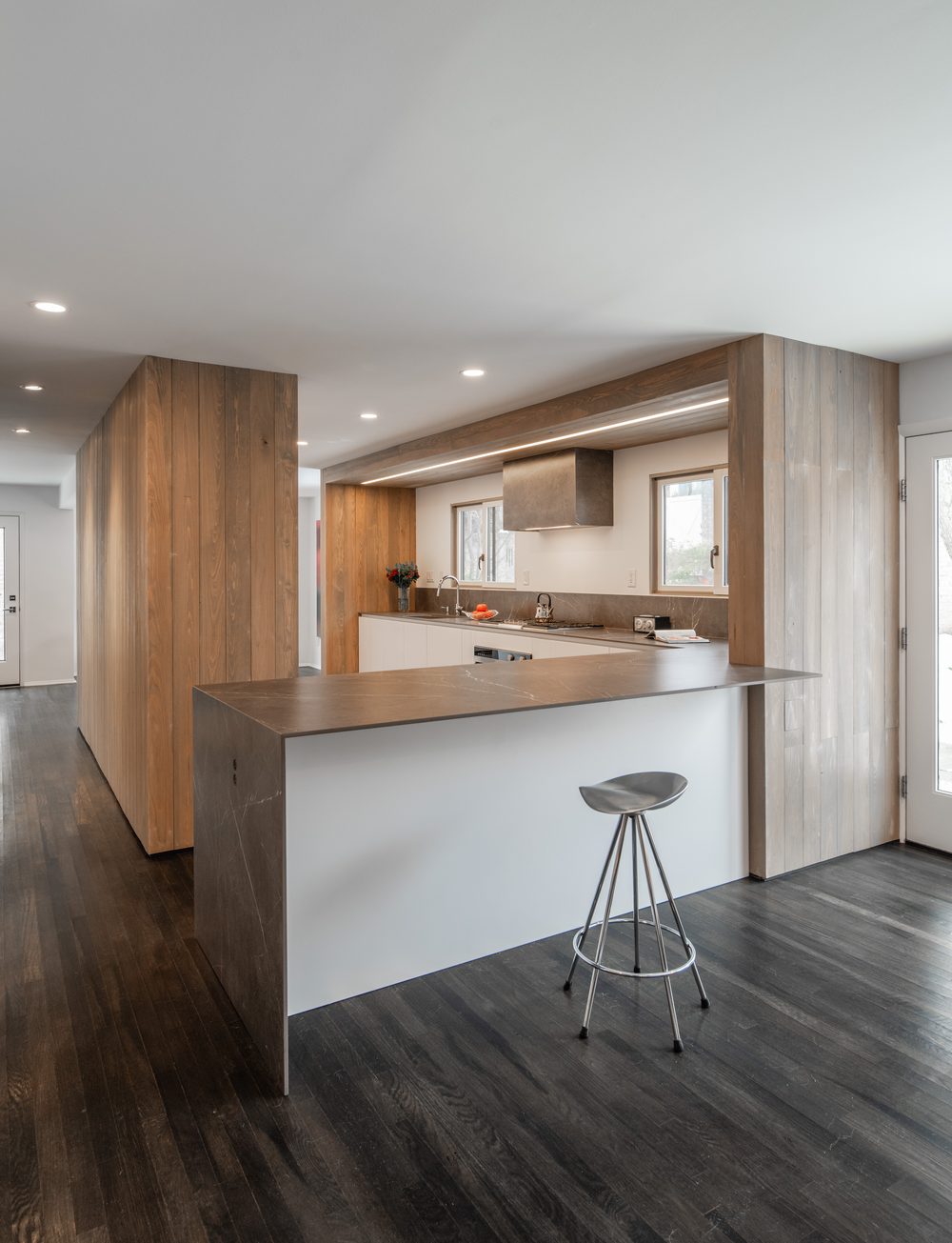
In a Goodman house that had never been updated, the owner wanted a primary suite with a proper bath, and feared it would cost him a bedroom. He also assumed relocating plumbing in a slab-on-grade house was prohibitive. Neither turned out to be true. Cutting the slab is routine in these houses and is done all the time.
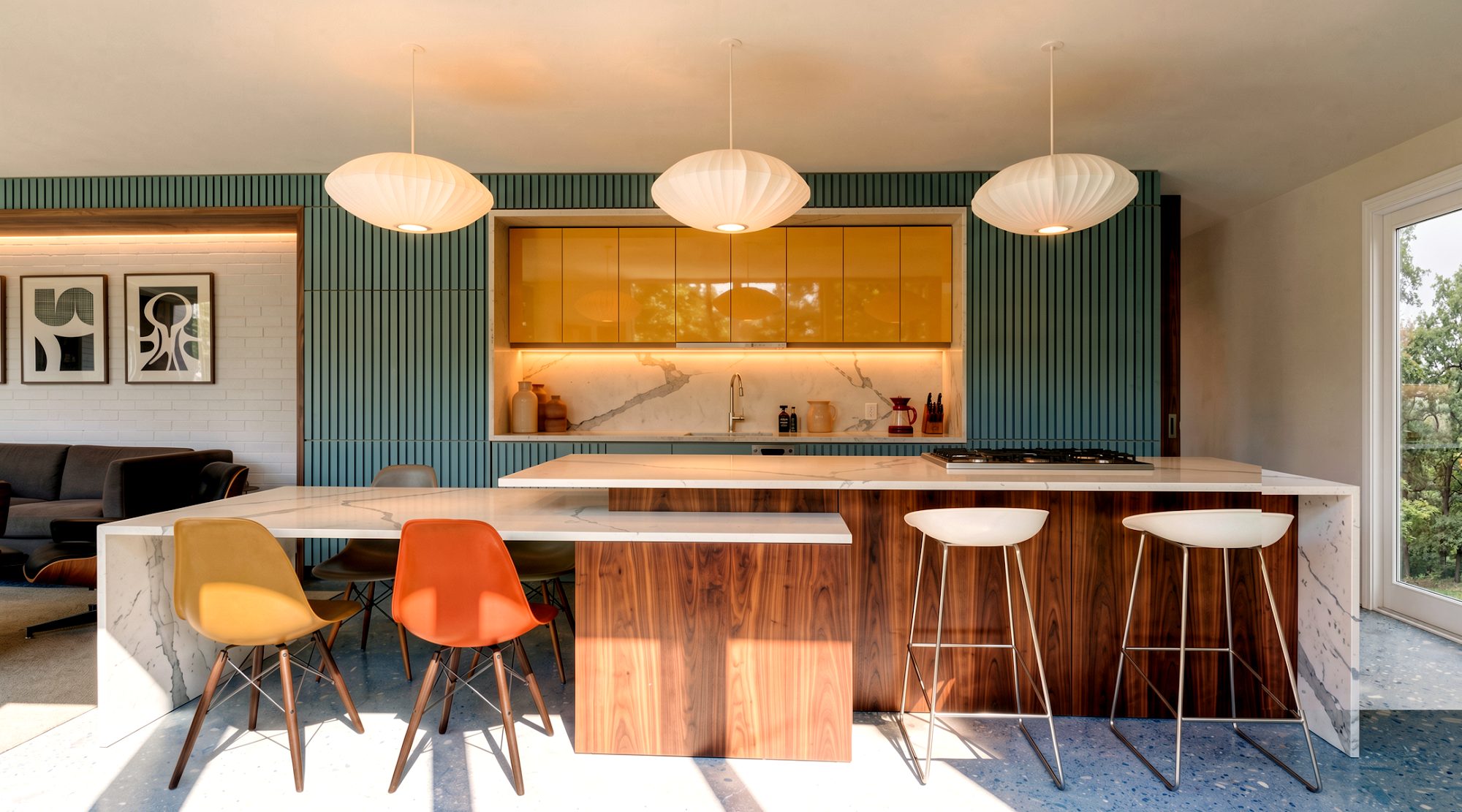
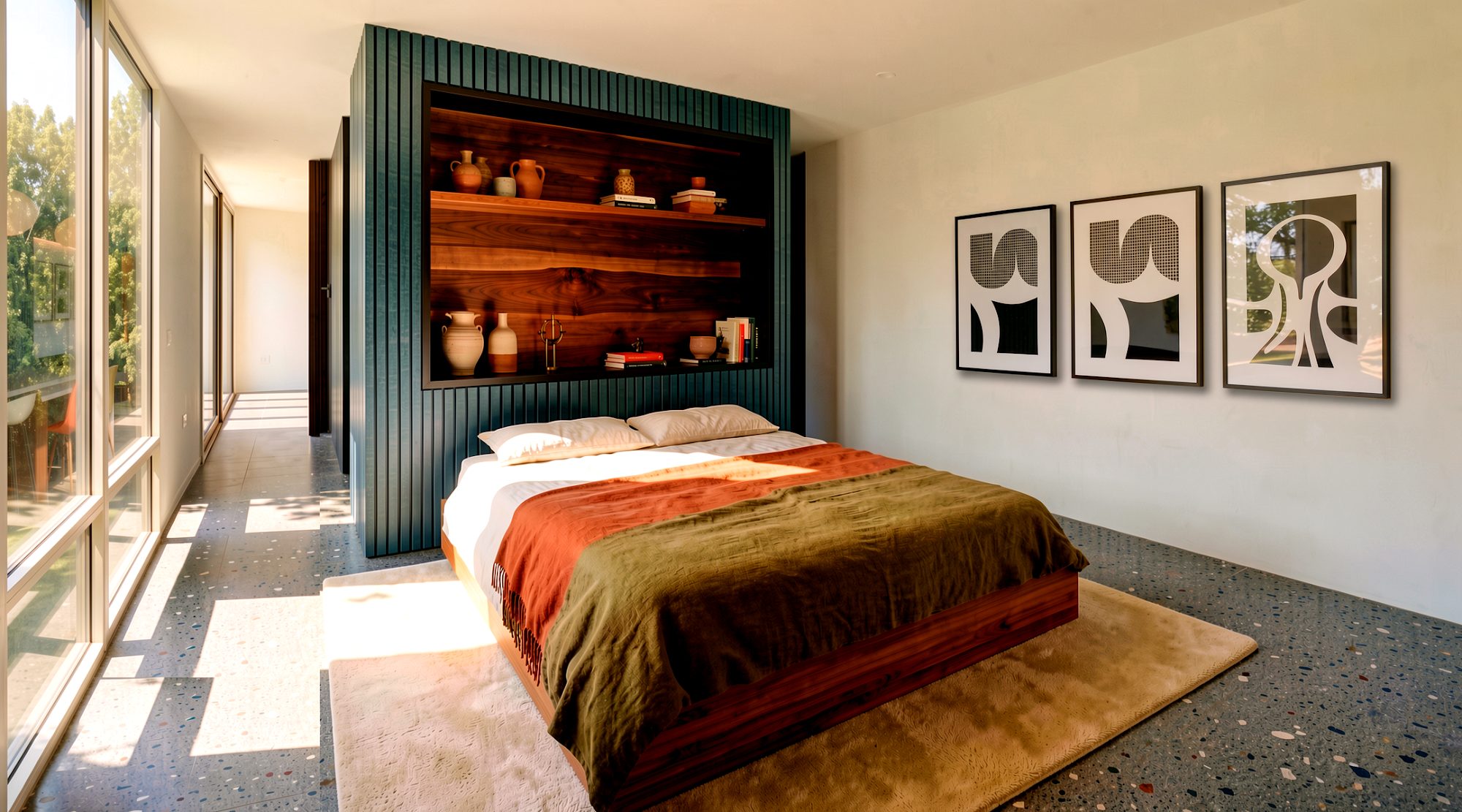
The design put the services into the core of the house and let that same core organise the circulation. Two jobs, one element, so the plan stays open. The suite can be closed off or walked through, chosen by whoever is living there that year, and the exterior views run uninterrupted from one side of the house to the other, which is what Goodman was after in the first place.
Know what governs before you draw
Hollin Hills was listed on the Virginia Landmarks Register and the National Register in 2013, and the community operates its own design review guidelines. That is not an obstacle. It is a set of expectations you should know before the first sketch, not after.
The general point holds anywhere. Find out what governs, find out what the house was arguing, and only then decide what you want. In that order the constraints become the brief.